Property owners facing active structural invasions require a methodical pest control service in Richmond to halt biological damage and restore sanitized interior living spaces. Unsealed historic foundations and humid river basin microclimates allow subterranean termites, commensal rodents, and opportunistic insects to breach residential perimeters across the region.

A pest control service in Richmond is an environmental health intervention that deploys structural exclusion barriers, localized thermal or chemical applications, and perimeter monitoring to eradicate active infestations in residential and commercial buildings.
Every service reflects the same meticulous attention to detail, whether it's a single job or a larger pest control sevice project across Richmond.
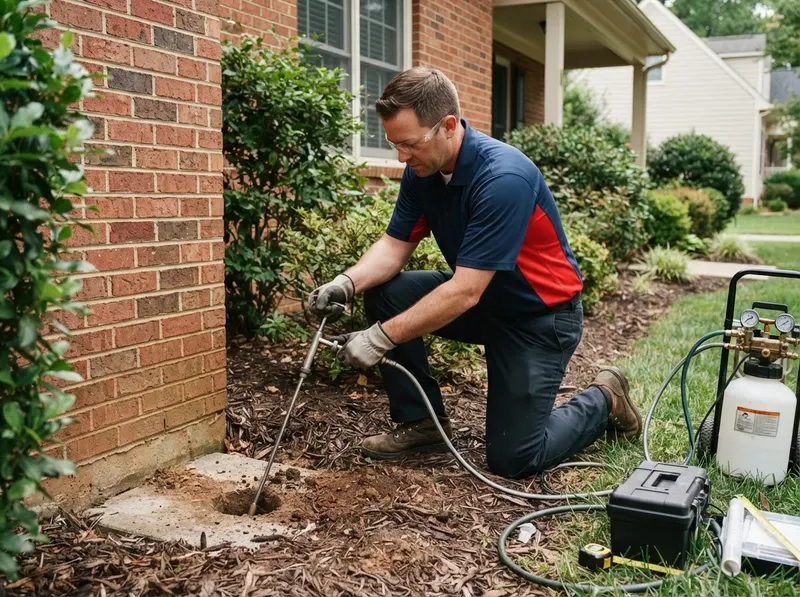
Subterranean termites (Reticulitermes flavipes) cause severe structural failure across Central Virginia by consuming cellulose framing lumber from the foundation sill plates upward. Delvixa Pest Elimination implements targeted soil trenching and direct pressure-injection protocols along foundation footings, crawlspace piers, and exterior slab joints using non-repellent liquid termiticides undetectable to foraging workers. Termites pass through the treated barrier zone, systematically transferring the active ingredient back to reproductive queens and deep brood chambers to achieve total colony collapse within 60 to 90 days. Technicians install tamper-resistant subterranean monitoring stations every 10 to 15 linear feet along vulnerable exterior perimeters to verify containment, prevent structural settling, and detect new migratory subterranean colonies moving from adjacent untreated properties.
Get a quote →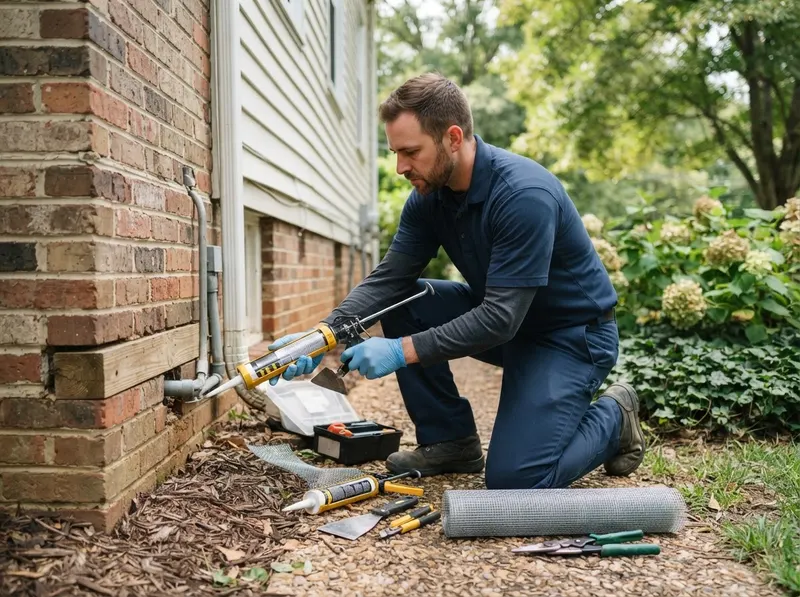
Rats (Rattus norvegicus and Rattus rattus) and house mice (Mus musculus) access residential living areas through external foundation voids and utility penetrations as narrow as 1/4 inch. Commensal rodents chew structural electrical wiring, compromise attic insulation R-values, and contaminate food preparation surfaces with dangerous zoonotic pathogens. Service protocols begin with an exhaustive physical inspection mapping rub marks, gnaw tracks, droppings, and subterranean nesting sites beneath crawlspaces and stone footings. Field technicians physically seal all identified exterior breach points using heavy-gauge galvanized steel mesh, copper mesh packing, expanding non-shrink concrete mortar, and metal flashing before deploying mechanical interior snap-trapping arrays within sealed attic voids and sub-slab runs to clear the interior perimeter without relying on toxic broadcast rodenticides.
Get a quote →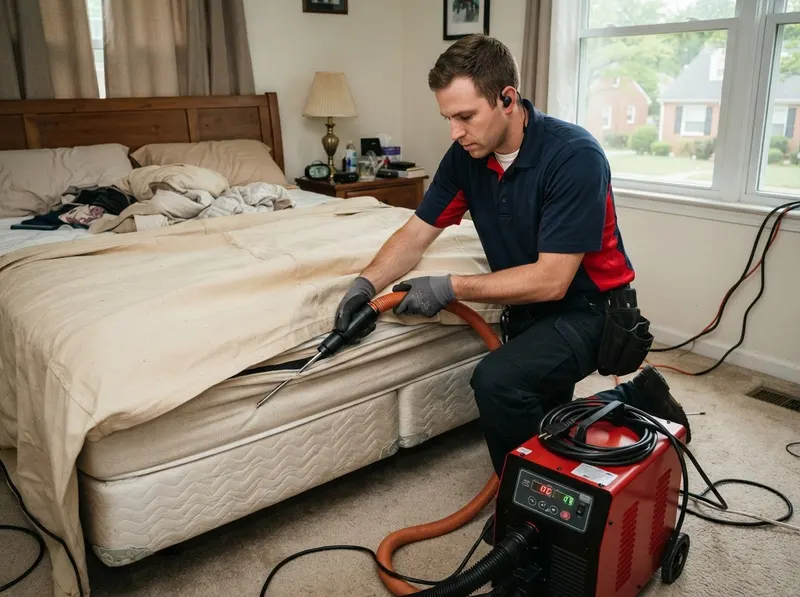
Bed bugs (Cimex lectularius) harbor within microscopic baseboard fractures, tufts of mattress seams, behind electrical switch plates, and inside structural drywall voids. Standard over-the-counter chemical sprays cause these pests to scatter, worsening infestations by dispersing gravid females into adjacent wall cavities and neighboring rooms. Delvixa Pest Elimination resolves heavy bed bug infestations using lethal structural heat remediation systems that steadily elevate ambient room temperatures to an exact threshold of 125 to 135 degrees Fahrenheit. Industrial-grade ceramic heaters and directional axial air movers circulate dry, high-temperature airflow throughout all structural voids for four continuous hours, penetrating mattresses, wall studs, and upholstery to neutralize all metamorphic life stages, including heat-resistant embryonic eggs, in a single operational visit.
Get a quote →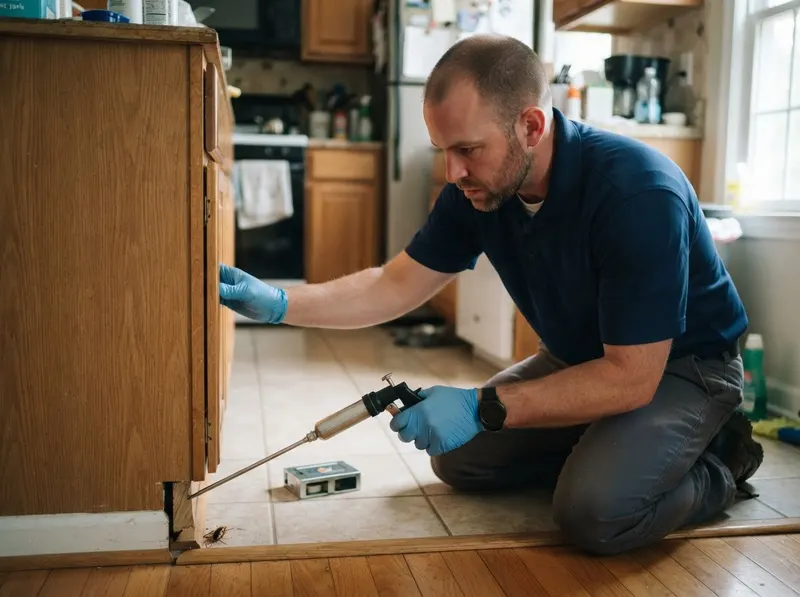
German cockroaches (Blattella germanica) and American cockroaches (Periplaneta americana) rapidly colonize plumbing chases, cabinet voids, kitchen appliance motor housings, and damp basement floors across Richmond properties. These insect vectors carry enteric bacteria across surfaces and produce airborne chitin allergens that aggravate human respiratory conditions. Elimination protocols bypass ineffective aerosol foggers in favor of systematic point-source applications of micro-encapsulated abamectin and hydramethylnon gel baits placed directly into active harborage crevices. Specialists combine these baits with juvenile hormone mimics and insect growth regulators that disrupt structural molting, sterilize adult breeding populations, and halt egg capsule maturation within 14 to 21 days.
Get a quote →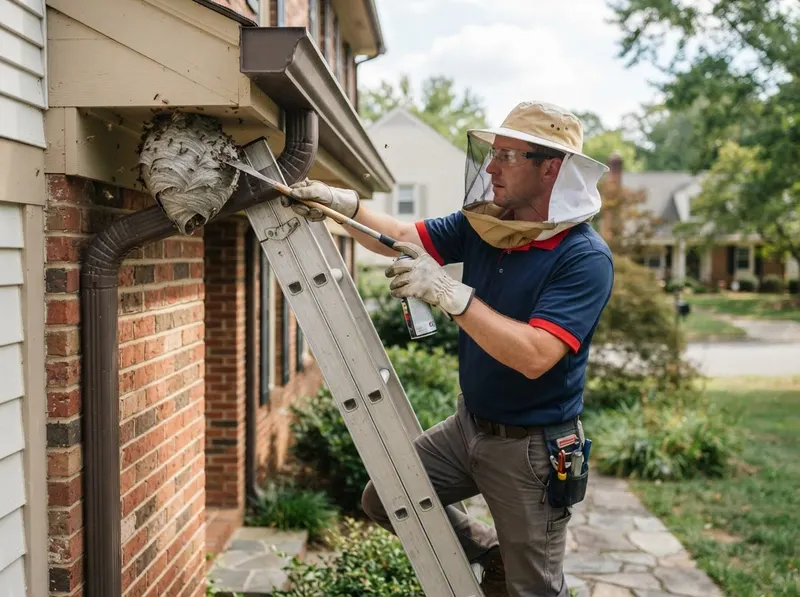
Bald-faced hornets (Dolichovespula maculata), aerial yellowjackets (Vespula maculifrons), and paper wasps construct dense paper and mud nests beneath exterior eaves, porch soffits, attics, and underground root hollows. Stinging insects present substantial health and envenomation hazards to property occupants, particularly when nesting adjacent to primary entry doorways and high-traffic exterior walkways. Technicians deploy calibrated protective gear and utilize high-pressure, directional residual injection equipment to penetrate nest entrance envelopes directly. This targeted treatment achieves instant aerodynamic knockdown and neutralization of active foraging adults, followed by complete mechanical physical removal and scraping of the structural nesting matrix to prevent pheromone-driven re-nesting cycles.
Get a quote →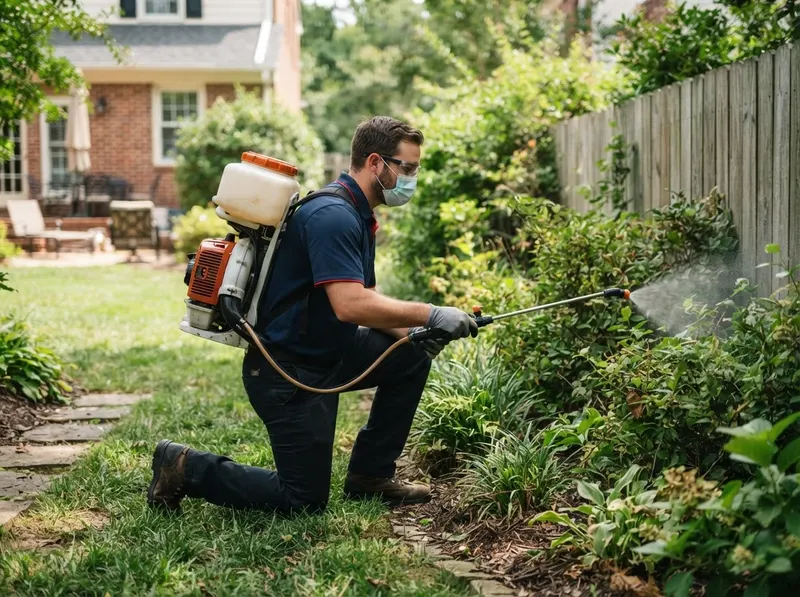
Aggressive Asian tiger mosquitoes (Aedes albopictus) and Culex species reproduce in stagnant runoff water, clogged roof gutters, landscape drainage basins, and natural river canopy zones. Mosquitoes transmit vector-borne illnesses and compromise the functional usability of outdoor residential living areas from late spring through early autumn. Delvixa Pest Elimination applies micro-encapsulated synthetic pyrethroid treatments to the structural undersides of broadleaf foliage, shaded property borders, groundcover, and exterior foundation zones where adult mosquitoes rest during daylight hours. Concurrently, technicians deploy slow-release biological Bacillus thuringiensis israelensis (BTI) microbial briquettes into standing landscape water hazards, ornamental ponds, and catch basins to kill emerging mosquito larvae before adult pupation occurs.
Get a quote →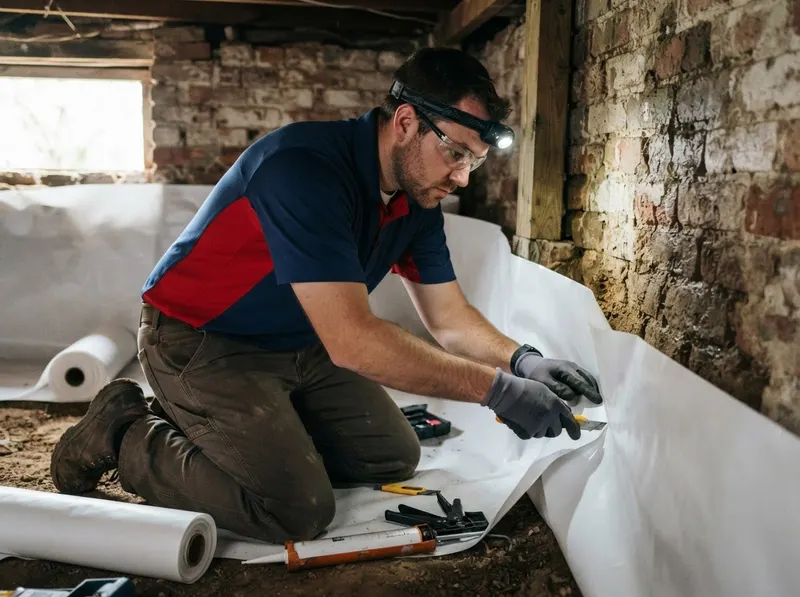
Unsealed dirt crawlspaces beneath older Richmond homes absorb high ground moisture, driving interior relative humidity levels above 70 percent and creating prime harborage for wood-boring powderpost beetles, silverfish, and subterranean termites. Excessive moisture leads to severe wood-decay fungi, dry rot, and warping in sub-floor joists. Specialists clean loose organic debris from the crawlspace substrate, grade soil surfaces evenly, and install a continuous, puncture-resistant 12-mil or 20-mil multi-ply reinforced polyethylene vapor barrier across all exposed dirt floors and masonry foundation footings. Seams are mechanically bonded with vapor-tight industrial acrylic tape and permanently fastened to brick or rubble foundation walls, reducing indoor moisture levels and eliminating environmental survival niches for wood-destroying biological organisms.
Get a quote →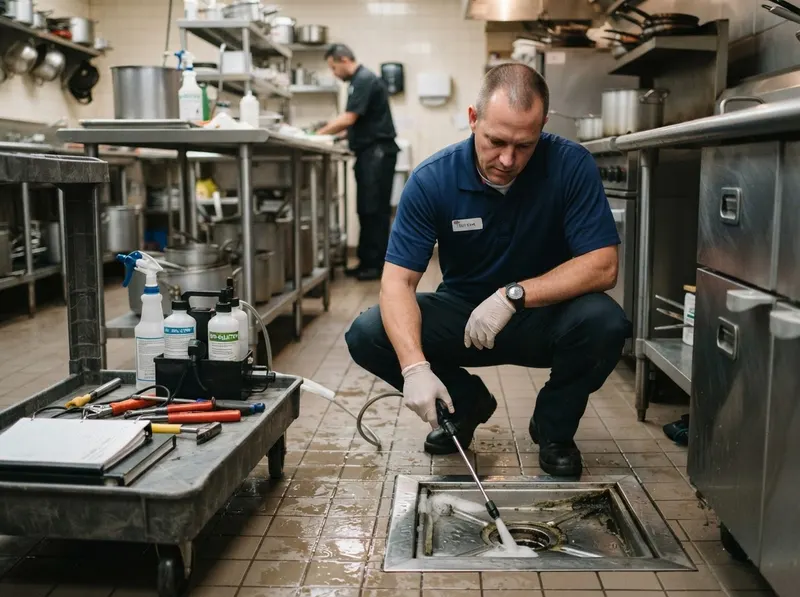
Phorid flies, moth flies, and fruit flies systematically colonize decomposing organic grease deposits, starch build-up, and moisture slime inside commercial food service floor drains, plumbing cleanouts, and cracked quarry tile grout. Delvixa Pest Elimination deploys heavy-density bio-enzymatic foam treatments that physically expand through complex commercial drain geometries and grease trap manifolds. Active biological enzymes actively digest organic fats, proteins, and decaying waste coatings, eradicating the physical feeding and breeding matrices required for fly larval development without corroding commercial plumbing piping, brass fixtures, or municipal sewer connections.
Get a quote →You get a firm, itemized quote for your pest control sevice before any work begins, no surprises, no pressure.
Careful prep, tidy work, and a full cleanup when we are done. We treat your home and belongings like our own.
The same trusted, background-checked team from the first call to the final check.
Selecting appropriate biological mitigation depends on the structural profile of the property, the target vector, and the severity of entry-point degradation across the foundation envelope. For active subterranean termite activity within structural framing, choose targeted soil-applied non-repellent liquid termiticides or direct bait station grids; this provides colony-level elimination through social transfer over 60 to 90 days, whereas localized spot treatments only yield temporary surface relief while queens remain protected deep subterranean. If addressing nocturnal attic disturbances caused by roof rats or eastern gray squirrels, choose complete mechanical exclusion involving 1/4-inch galvanized steel hardware cloth, metal flashing, and silicone-polyurethane sealants; this permanently seals entry voids at roof returns, dormer junctions, and fascia edges, whereas rodenticide baiting alone risks animal expiration inside inaccessible wall cavities, producing persistent biohazard odors and secondary fly infestations.
For persistent German cockroach infestations in multi-family utility chases, food service facilities, or damp residential kitchens, choose insect growth regulators paired with micro-encapsulated dry gel formulations and targeted vacuum extraction; this halts reproduction within 21 days by disrupting chitin synthesis, whereas aerosol foggers simply disperse the population deeper into adjacent wall framing and electrical conduits. When managing heavy seasonal mosquito pressure along shaded parcels near the James River Park System, choose specialized micro-encapsulated foliage surface barrier treatments combined with biological Bacillus thuringiensis israelensis larvicide dunks in standing drainage basins; the trade-off involves recurring 30-day applications throughout the humid summer months from May through September versus the permanent one-time investment of structural home sealing and moisture barrier encapsulation. For historic crawlspaces exhibiting relative humidity readings consistently above 70 percent, choose complete soil encapsulation paired with commercial-grade crawlspace dehumidification; this eliminates the moist timber conditions necessary for powderpost beetle re-infestation and subterranean fungal rot, though it requires an upfront mechanical investment compared to recurring localized wood borate injections.
Every project gets a firm, written price after a free on-site visit. Ranges below for orientation.
Tell us about your pest control sevice job and we'll send a clear, written quote, usually the same day. Or just call and talk to a real Richmond pro.
(804) 816-2306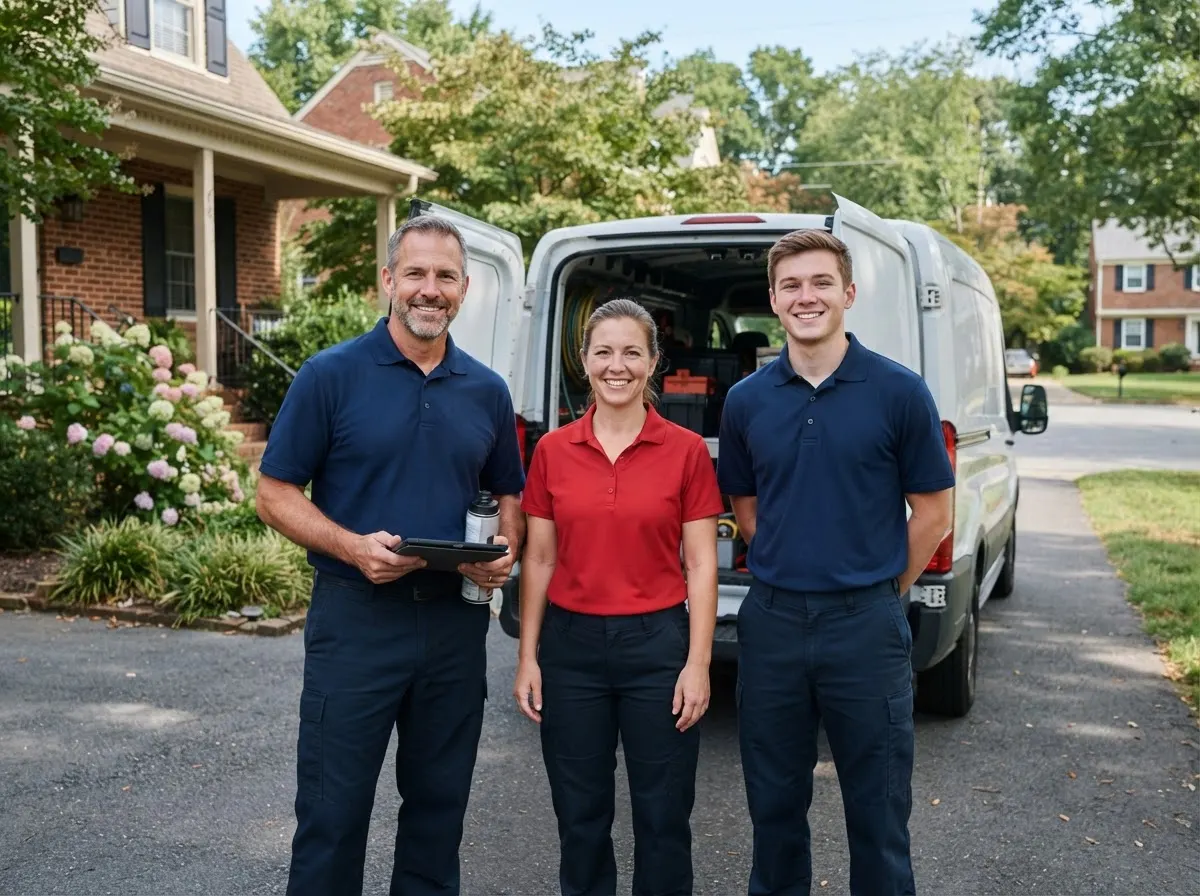
Properties built throughout historic Richmond districts like The Fan, Church Hill, and the Museum District frequently rest on unreinforced fieldstone, rubble, or soft historic brick foundations that have settled over a century. This architectural movement produces continuous subterranean fissures, fractured lime-mortar joints, and cracked basement window wells that provide commensal rodents and subterranean termites unimpeded access directly into interior wall framing and subfloors. Furthermore, the local microclimate surrounding the James River basin, combined with the dense deciduous tree canopies spanning Forest Hill and Bellevue, traps stagnant, humid air, driving summer relative humidity readings consistently past 75 percent from late May through early October. These damp environmental thresholds dramatically accelerate Reticulitermes flavipes subterranean termite activity within older framing members, foster severe outdoor mosquito breeding across low-elevation catchments in Shockoe Slip, and compel roof rats to exploit overhanging canopy branches to penetrate slate roof junctions and rotted soffit returns across residential corridors.
Free estimates for Richmond & the surrounding area.
 Delvixa Pest Elimination